
Why Is Crawl Space Humidity a Concern?
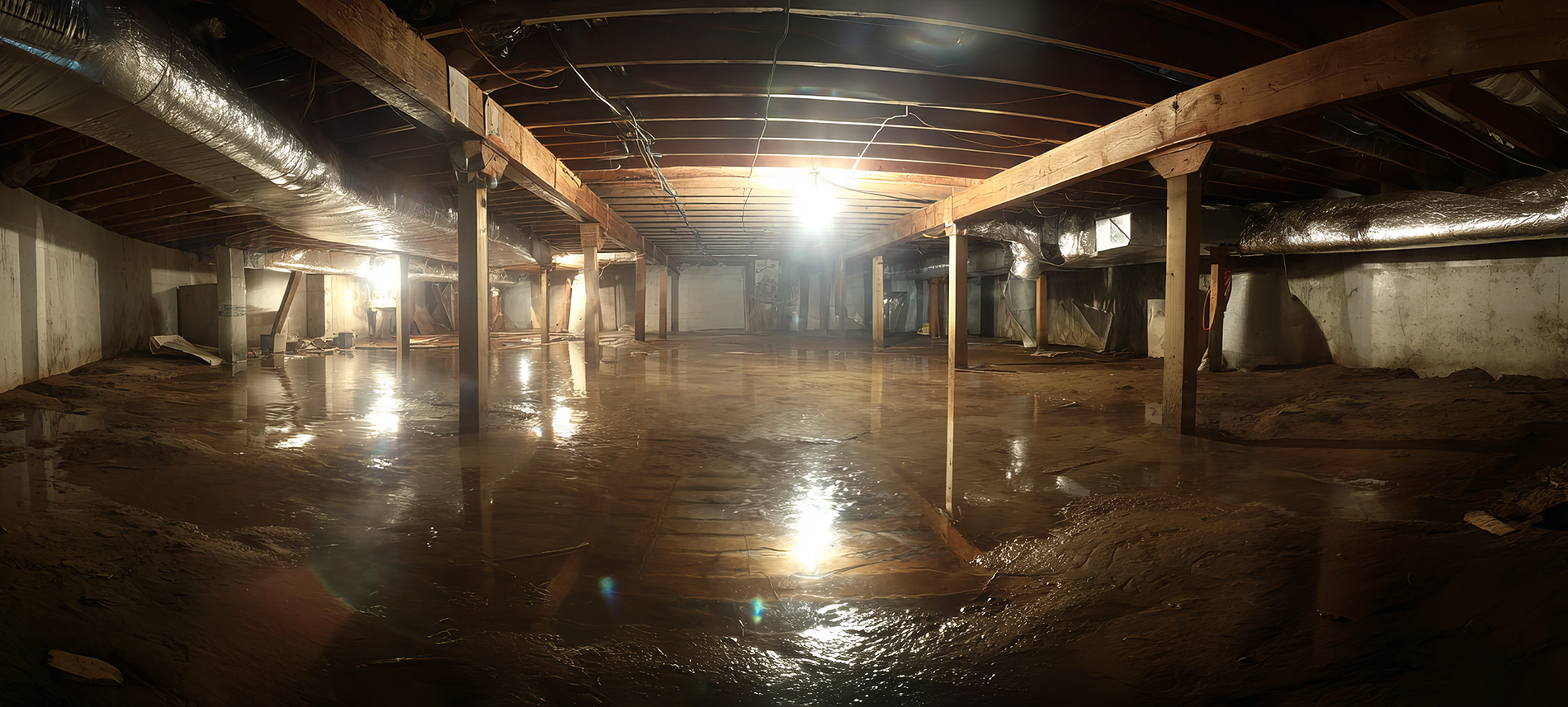
If you've ever measured the humidity in your crawl space and found it hovering near 65-70%, you're right to pause. That level is higher than most homes should have and, over time, it can create problems. Excess moisture in a crawl space encourages mold growth, musty odors, and even structural damage. Because air from below your home can make its way into the living space, high humidity also affects indoor air quality. The goal is to keep crawl space humidity in the safe range of about 45-55%, where the space stays dry enough to protect wood and insulation but not so dry that materials become brittle.
Why Do Crawl Spaces Stay Damp?
Many older homes were built with small vents around the perimeter of the crawl space. The idea was that outdoor air would help dry things out. In practice, the opposite often happens. On warm, humid days, those vents bring in moisture that condenses on cooler surfaces under the house. Instead of airing things out, the crawl space stays damp all summer long.
Modern building standards use a different approach. New crawl spaces are designed with vapor barriers over the ground and, in many cases, a sump pump to handle water before it ever reaches the space. Once a barrier is in place, open vents are no longer helpful - and in fact, can make humidity worse.
What Can You Do to Keep Crawl Space Humidity in Check?
If you already have a vapor barrier and don't see water pooling on the ground or plastic, the next step is usually to control how much outside air gets in and manage the humidity directly.
- Seal or close crawl space vents - prevents humid outdoor air from entering and condensing inside.
- Run a crawl space dehumidifier - maintains humidity at a steady 45-55%, which keeps mold and rot in check.
When combined with a properly installed vapor barrier and good exterior drainage, sealing vents and controlling humidity are key parts of what's often called crawl space encapsulation. Full encapsulation may also include insulating walls, sealing gaps, and adding long-term moisture control.
How Dry Is Too Dry - or How Damp Is Too Damp?
Too much humidity brings mold, rot, and pests. Too little humidity, on the other hand, can cause wood to crack or warp. That's why a balanced range around 45-55% is recommended. It strikes the right middle ground - dry enough to keep things safe, but not so dry that it damages the structure.
From Real-World Experience
We've seen how much of a difference sealing vents, strengthening vapor barriers, and adding a dehumidifier can make - homes stay drier, smell fresher, and hold up better over time. The difference is noticeable: lower humidity, fewer odors, healthier air upstairs, and a structure that holds up better over time.
How Can You Keep an Eye on Crawl Space Humidity?
You don't need to climb into the crawl space every week to check on things. Simple digital hygrometers can be left in place with a display you check when needed. There are also wireless and Wi-Fi enabled monitors that send readings straight to your phone, so you can see changes in real time and even get alerts if levels rise too high. With these tools, keeping track of crawl space humidity is easier and more reliable than ever.
Thinking of Next Steps?
If your crawl space humidity is running higher than it should be, it's not an emergency - but it is a warning sign. Since you've already addressed drainage and added a vapor barrier, sealing the vents and adding a dehumidifier are the logical next steps. Those changes can bring the humidity into the safe range and keep it there.
If you'd like a professional opinion, we can take a look, check for hidden issues, and recommend the right setup to keep your crawl space dry and your home protected for the long run.